3 Robotics & Innovation Labs
📍 Prayagraj, Uttar Pradesh, India
Project Value
US$32,843
Rotary Global Grant GG2691048 Submitted for TRF Review to Transform STEM Education for 1,500 Girl Students in India
When a Girl Is Given a Robot Instead of a Limitation, Futures Change
Rotary Global Grant GG2691048 Submitted for TRF Review to Transform STEM Education for 1,500 Girl Students in India
Impact Snapshot
USD 32,843 → 3 Robotics & Innovation Labs → 1,500+ girl students empowered annually with future-ready STEM skills
In many government schools across India, brilliant young girls still learn science only through textbooks — rarely through experimentation, innovation, or technology they can touch and build.
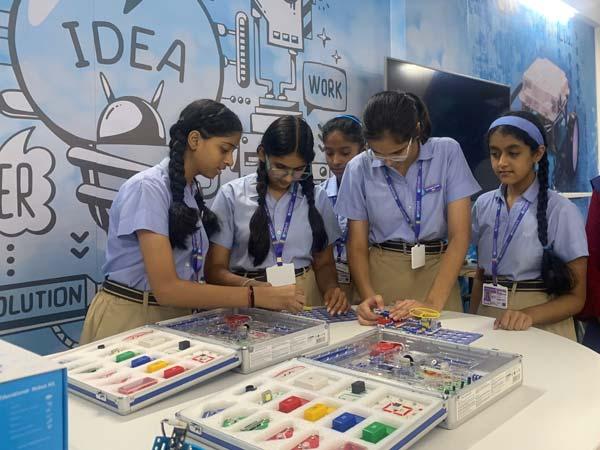
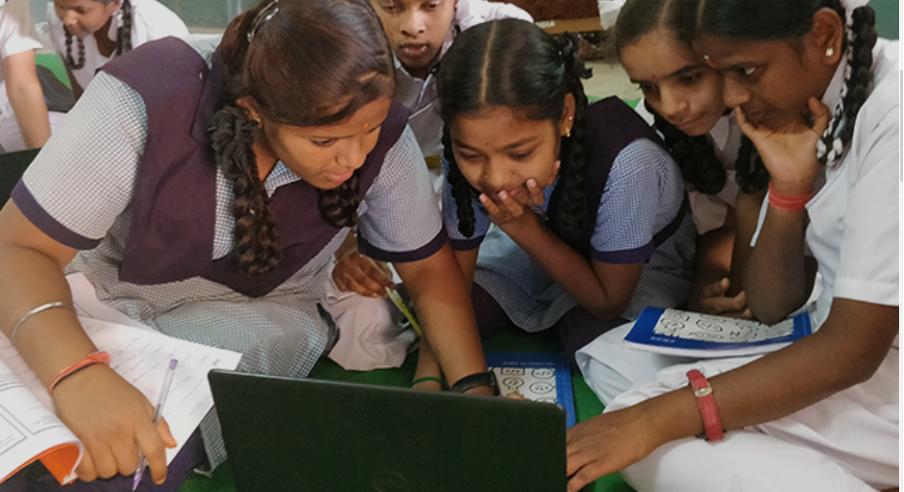
For students at GGIC Civil Lines, GGIC Jhusi, and GGIC Katra in Prayagraj, Uttar Pradesh, the dream of learning robotics, coding, automation, and innovation has often remained out of reach. While students are academically motivated, access to practical STEM education and emerging technology tools has been limited by infrastructure and resources.
That is about to change.
A powerful new Rotary Foundation Global Grant — GG2691048: Grand Robotics Lab for 3 GGICs — has now been officially submitted for TRF review, with approval anticipated following the review process. The project represents more than technology. It represents confidence, opportunity, equity, and hope for the next generation of women leaders in STEM.
The Problem: Talent Exists — Access Does Not
Across many government schools, students continue to receive predominantly theory-based education with limited opportunities for practical learning in robotics, coding, automation, and innovation. Teachers and school leaders identified major gaps in access to modern STEM tools, hands-on experimentation, and future-focused digital education.
Community consultations conducted between December 2025 and January 2026 revealed overwhelming support for introducing Robotics and Innovation Labs into these schools. Students expressed strong interest in technology, coding, and innovation-based learning, while parents and educators highlighted the importance of preparing girls for future careers in science and technology.
The assessment identified several key challenges:
- Limited exposure to practical STEM learning
- Minimal access to robotics and coding education
- Lack of innovation infrastructure in government schools
- Gaps in digital literacy and problem-solving skills
- Reduced opportunities for girls to pursue STEM careers confidently
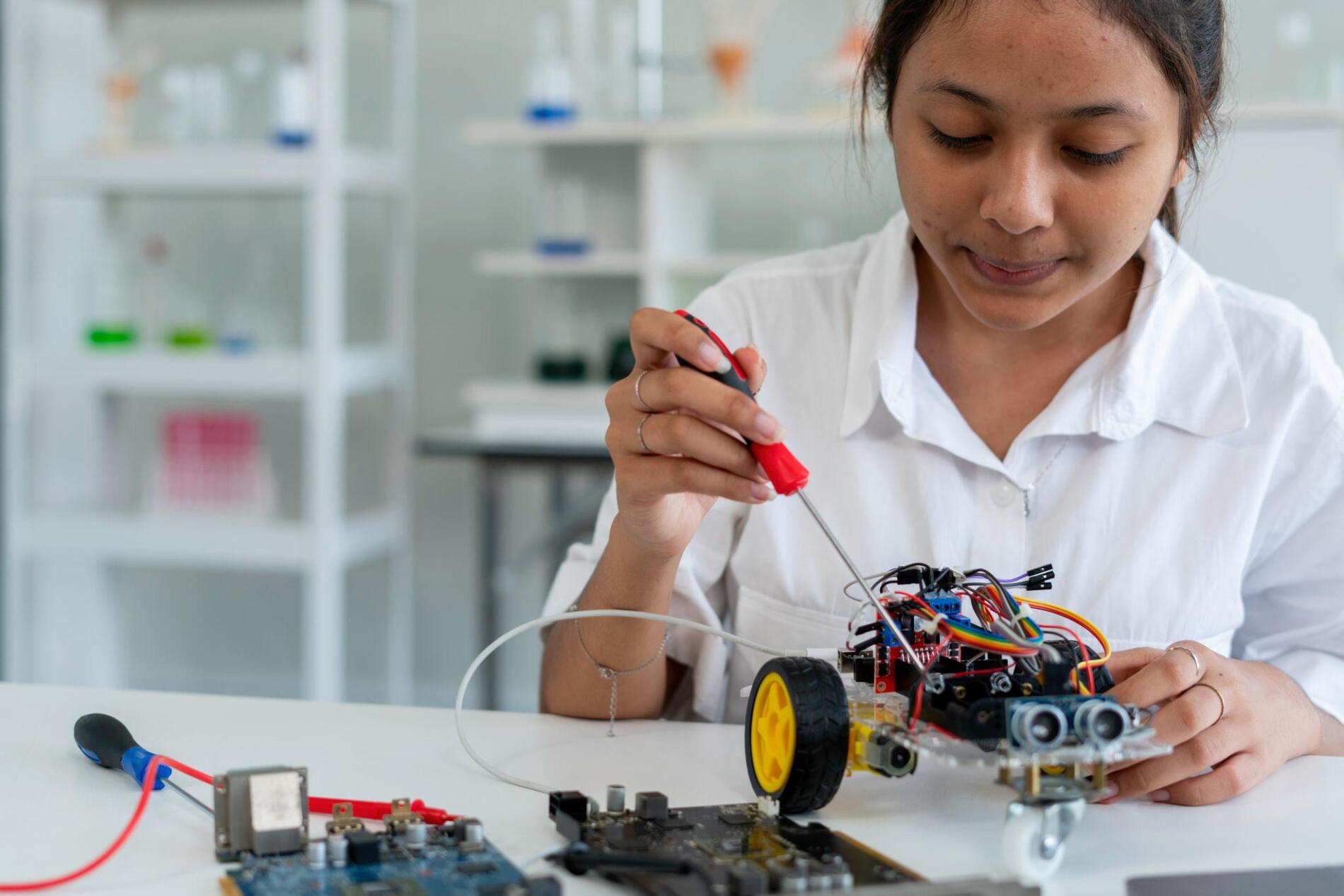
For many of these students, this project may be their very first opportunity to build, code, experiment, innovate, and imagine themselves as future engineers, scientists, innovators, and technology leaders.
The Solution: Building Innovation Labs That Build Futures
The proposed Global Grant will establish fully equipped Robotics and Innovation Labs across three Government Girls Inter Colleges in Prayagraj.
The project includes:
- Robotics kits and STEM learning systems
- Coding and automation platforms
- Sensors and microcontrollers
- Educational drones
- Structured innovation modules
- Teacher training programs
- Practical workshops and competitions
- Sustainability and lab management training
The labs are designed to move students beyond passive learning into active experimentation, collaboration, creativity, and real-world problem-solving.
The project is valued at USD 32,843, funded through Rotary District Designated Funds, club contributions, community support, and contributions from Rotarians4Sustainability.
More Than Robotics — This Is About Empowerment
At the centre of this project are young girls who deserve equal access to opportunity.
Approximately 1,500 girl students annually are expected to directly benefit from the initiative through structured robotics, coding, and innovation training programs.
Training modules will cover:
- Robotics systems and components
- Coding and programming fundamentals
- Automation and sensor integration
- Design thinking and innovation
- Team collaboration
- Leadership and entrepreneurship
- Public speaking and competition readiness
Students will not simply learn technology — they will learn confidence.
They will learn how to solve problems, work in teams, think creatively, and believe that careers in science, engineering, and innovation are possible for them too.
Sustainability Built Into the Design
A key strength of the project is its long-term sustainability model.
Teachers and school coordinators will receive dedicated Robotics Lab Management and STEM facilitation training to ensure the labs continue operating well beyond the grant period.
The beneficiary schools have committed to:
- Ongoing oversight and maintenance
- Curriculum integration
- Teacher-led practical sessions
- Safe storage and operational management
- Continued student participation and innovation activities
This ensures the project becomes embedded into the educational ecosystem rather than functioning as a short-term intervention.
Rotary Collaboration Creating Global Impact
The project demonstrates the power of Rotary collaboration across borders.
Host Sponsor
- Rotary Club of Allahabad Grand, District 3120
International Sponsor
- Rotary E-Club of Greater Sydney, District 9685
Community & Sustainability Support
- Rotarians4Sustainability
Together, the partners are working to create measurable, sustainable educational transformation through The Rotary Foundation Global Grant program.
Why This Project Matters
The future economy will belong to those who can innovate, solve problems, adapt, and create.
Yet millions of girls globally still lack access to the tools and opportunities needed to participate fully in that future.
This project changes that narrative.
By bringing Robotics and Innovation Labs into government schools serving middle and lower-income communities, Rotary is helping close the digital divide while creating pathways for higher education, leadership, entrepreneurship, and future careers in STEM.
The impact will not be measured only in robots built.
It will be measured in futures unlocked.
Project Information
Project Name: Grand Robotics Lab for 3 GGICs
Grant Number: GG2691048
Status: Submitted for TRF Review
Project Value: USD 32,843
Location: Prayagraj, Uttar Pradesh, India
Primary Area of Focus: Basic Education and Literacy
Suggested Homepage Teaser
A new Rotary Global Grant submitted for TRF review aims to establish Robotics and Innovation Labs in three government girls’ schools in Prayagraj, India — empowering 1,500 students annually with coding, robotics, and future-ready STEM skills.
Project Gallery