From Inclusion to Belonging: Why Meaningful Engagement Could Shape Rotary's Future
📍 Rotary International Convention, Taipei
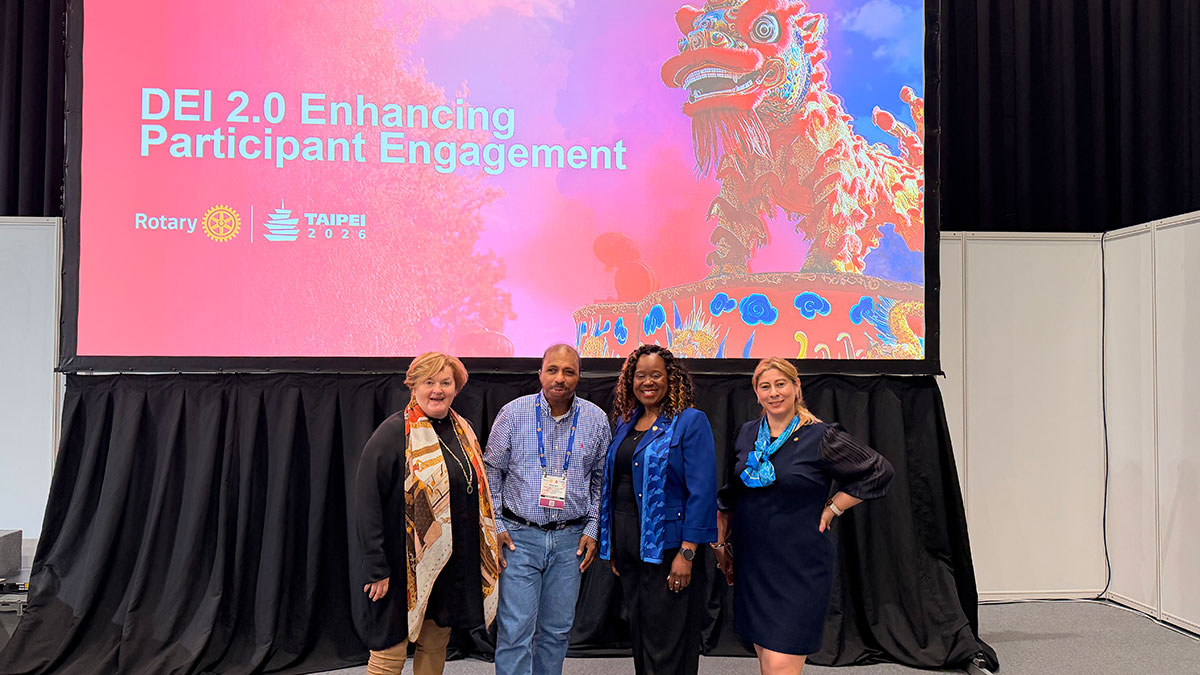
Reflections from the 2026 Rotary International Convention in Taipei on why creating environments where people feel heard, valued and empowered may be the key to strengthening membership and community impact.
Rotary's diversity is one of its greatest strengths. But attracting people into Rotary is only the beginning. Creating an environment where people feel heard, valued and empowered to contribute may be the key to strengthening participation, membership and community impact.
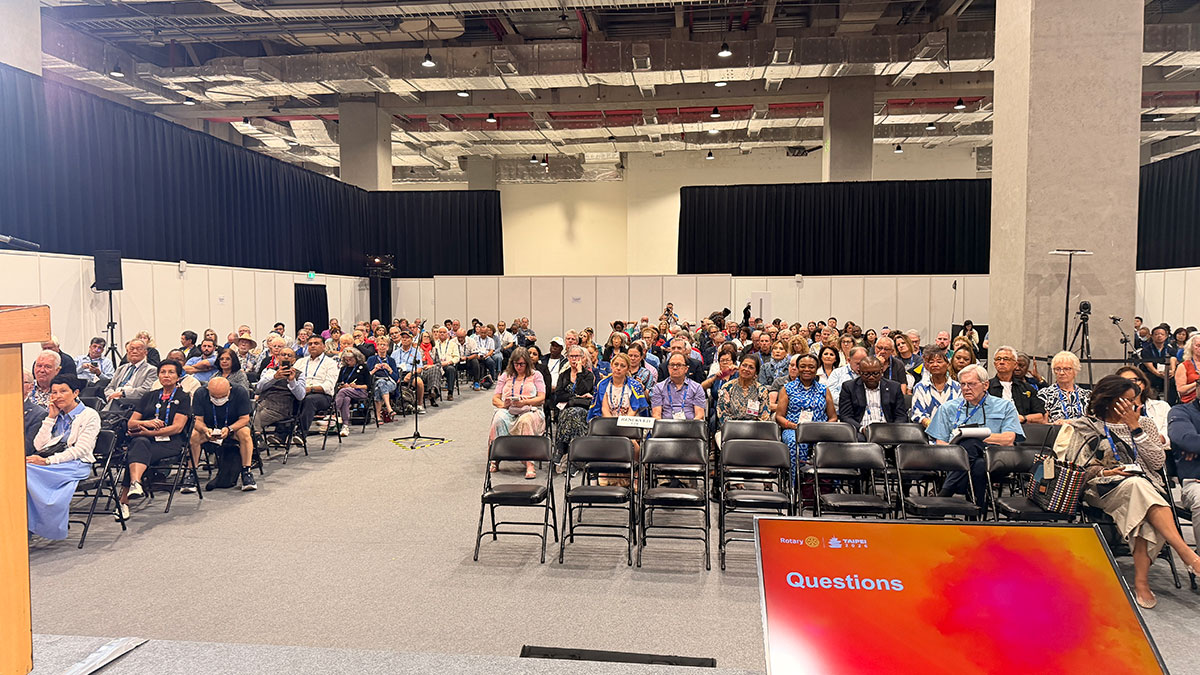
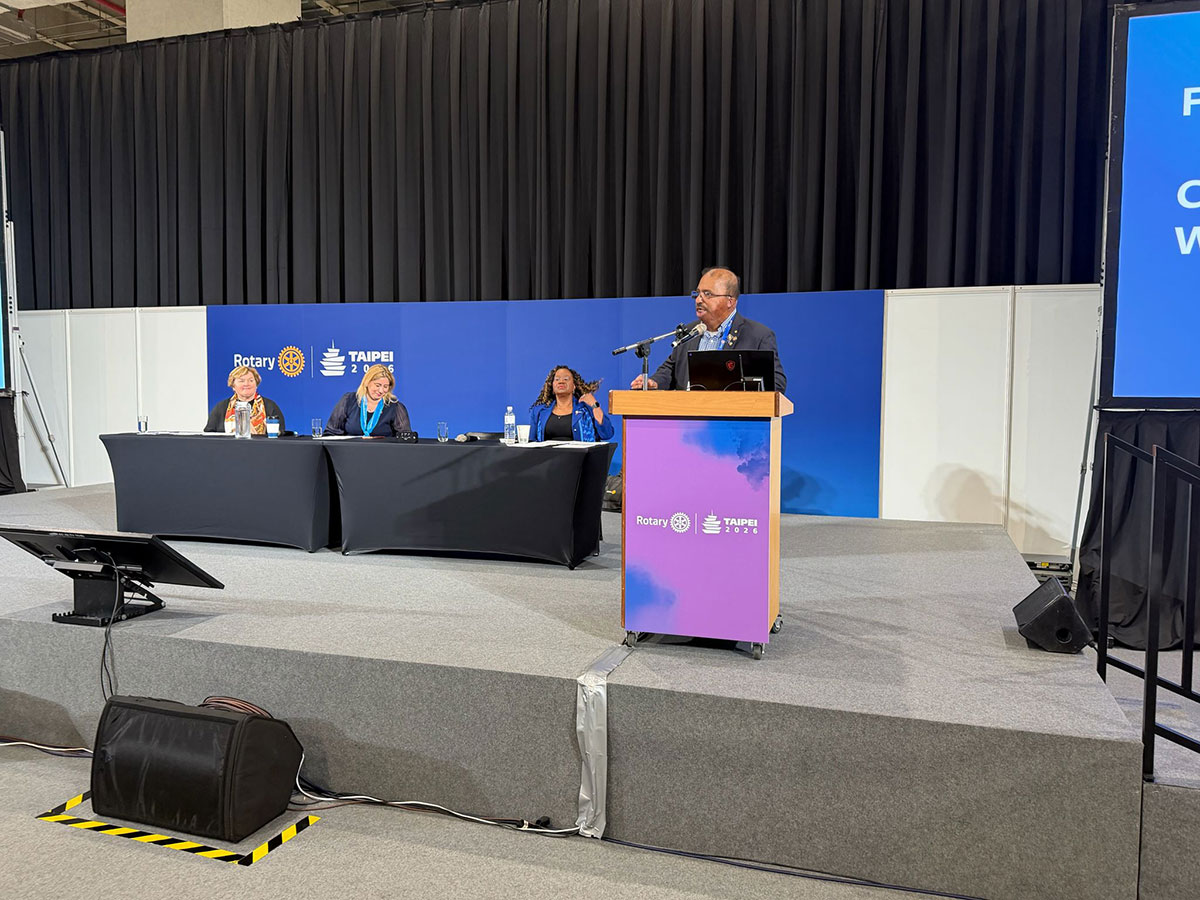
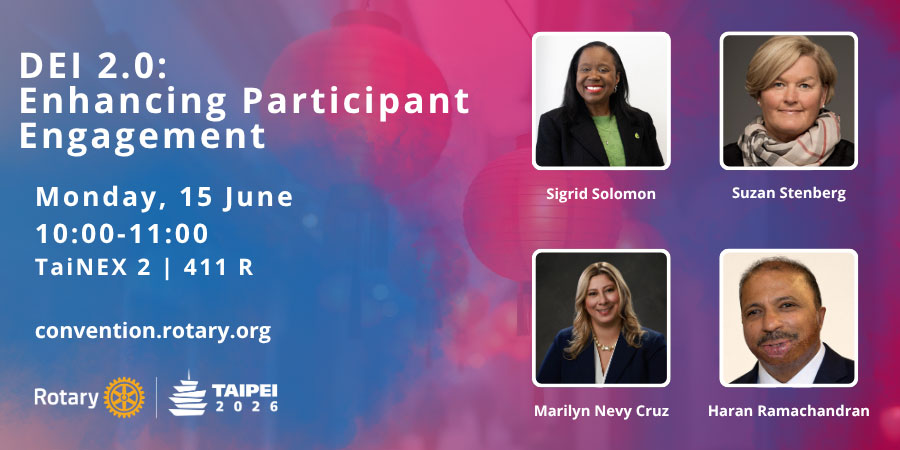
At the 2026 Rotary International Convention in Taipei, I had the privilege of contributing to the breakout session "DEI 2.0: Enhancing Participant Engagement." It provided an opportunity to reflect on a question I believe every Rotary club and district should consider: once people enter Rotary, do they truly feel that they belong?
Rotary brings together people from different cultures, professions, generations, communities and lived experiences — that diversity gives our organisation enormous strength. But diversity alone does not guarantee engagement. People may be welcomed into a meeting, invited to participate in a project or encouraged to become members, yet still not feel that their voice matters. That is where the journey from inclusion to belonging begins.
Moving from service to communities, to service with communities
Over many years, I have had the privilege of working alongside Cambodian, Vietnamese, Indian, Sri Lankan and other multicultural communities in Australia. One lesson continues to stand out: people support what they help create.
When communities are invited to help identify needs, develop projects and participate in solutions — locally or internationally — something changes. They are no longer simply donors, beneficiaries or supporters. They become partners and co-creators.
Service TO communities → Service WITH communities → Communities as co-creators.
Lessons from multicultural community engagement
Following devastating flooding and landslides in Sri Lanka, our approach was not simply to determine from outside what communities needed — we worked alongside local Rotary clubs, community leaders, schools and grassroots networks to understand priorities. The resulting initiatives supported children returning to school, helped communities restore access to clean water, and supported locally led recovery.
Engagement became stronger when communities were participants in the solution rather than recipients of it.
Accessibility is more than physical access
My own lived experience as a burns survivor has also shaped my understanding of engagement — people can stand in the same room, attend the same meeting and hear exactly the same message, yet experience that environment very differently. Accessibility can also be cultural, emotional and informational, particularly when Rotary engages communities where language, culture, family traditions or previous experiences influence how people respond.
One initiative I am working on applies this thinking to organ donation awareness among multicultural communities in Australia — where the barrier is often not a lack of compassion, but questions of trust, cultural understanding or access to culturally appropriate information.
Listening before acting
Another initiative currently being developed is a First Nations Vocational Training Team between Rotary districts in Australia and Canada, based on Indigenous-to-Indigenous knowledge exchange. Its foundation is deliberately simple: not teaching, not imposing — listening and learning together.
What can Rotary clubs do tomorrow?
Listen before designing. Invite communities into planning conversations. Ask younger and newer members for their perspectives. Create pathways to participate beyond traditional meetings. Partner with cultural leaders and grassroots organisations. Value lived experience. Most importantly, create environments where people feel safe to contribute authentically — because when people feel they belong, participation can change from obligation to passion.
Diversity brings people to Rotary, but belonging enables people to stay, contribute, and lead. Perhaps the question isn't only "How do we attract more people to Rotary?" — perhaps it's also "When someone walks into our Rotary club, do they feel that they truly matter?"
Project Gallery