D3220 Conference: Beyond First Response — Three Lessons for Building Community Resilience
📍 Rotary District 3220 Conference, Sri Lanka
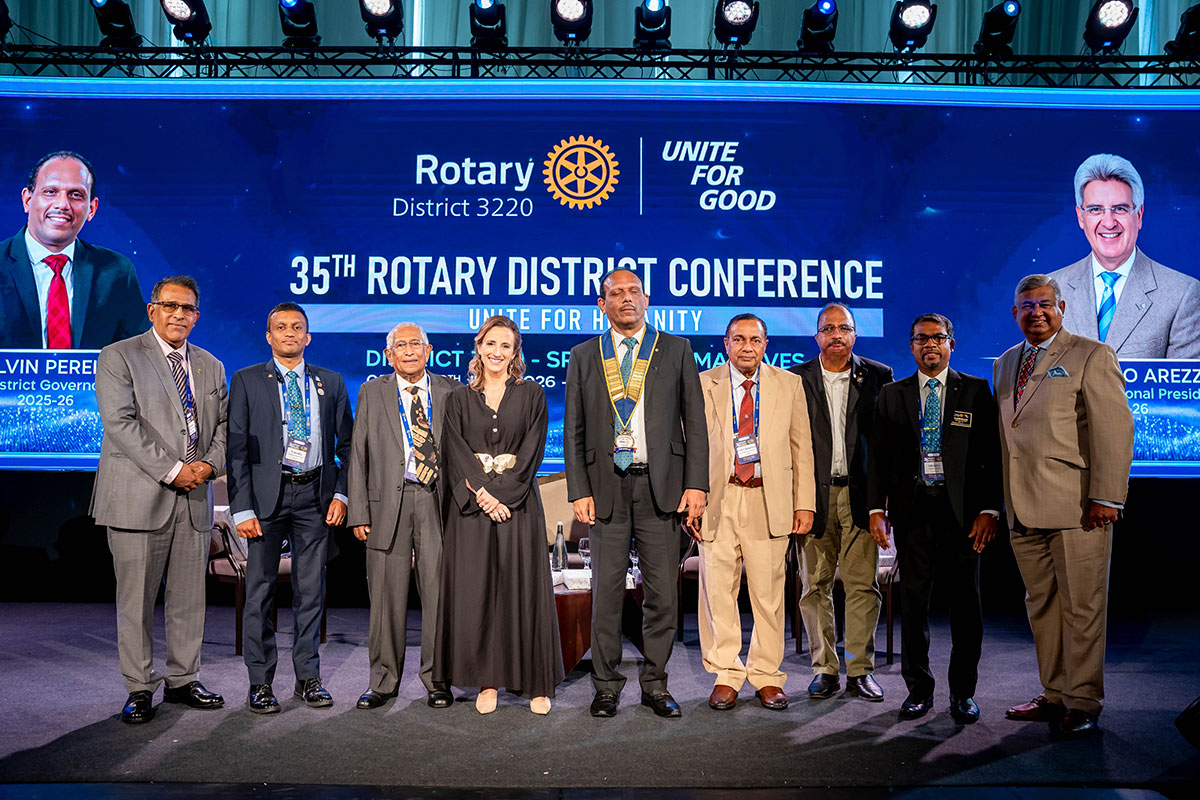
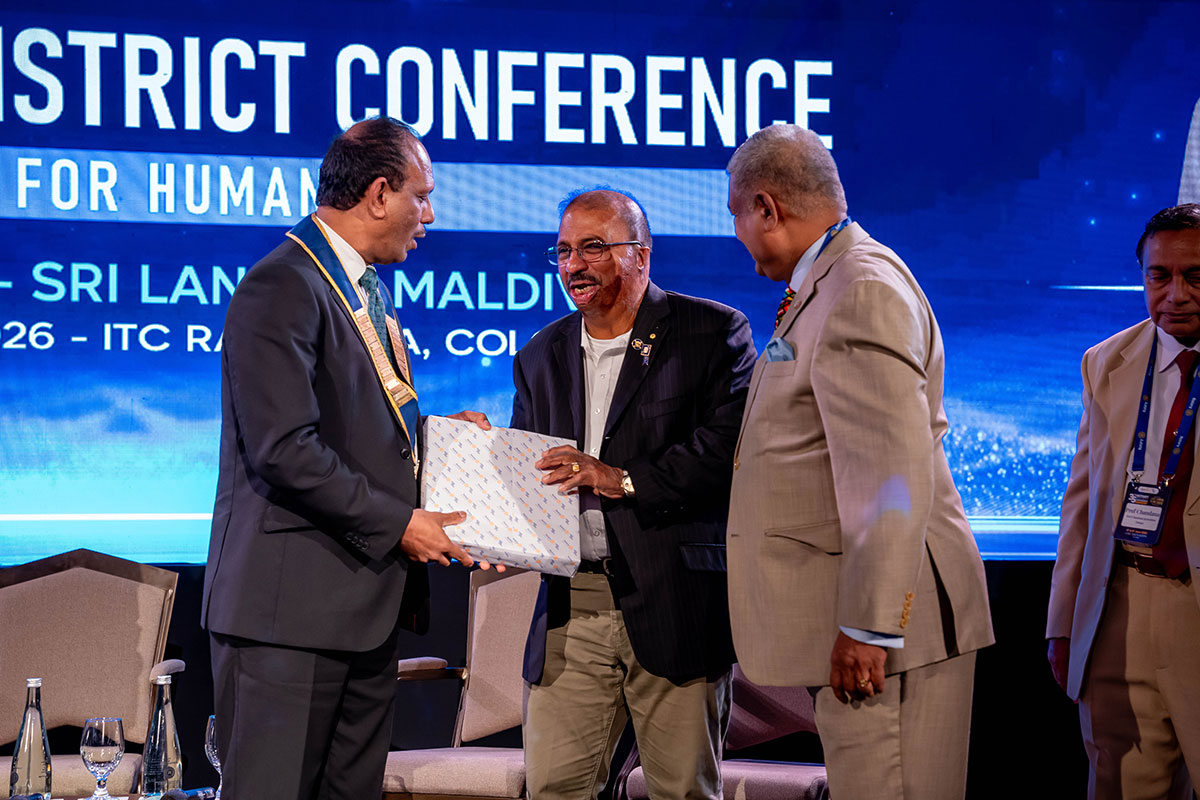
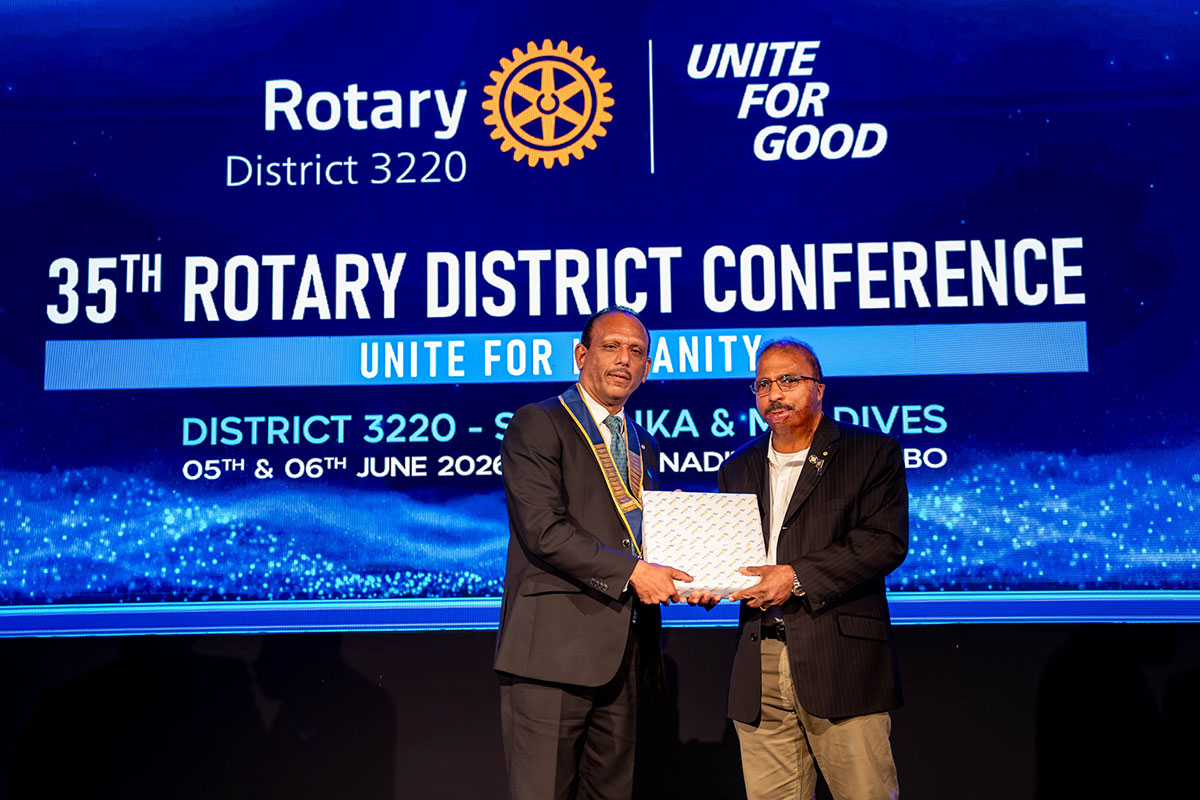
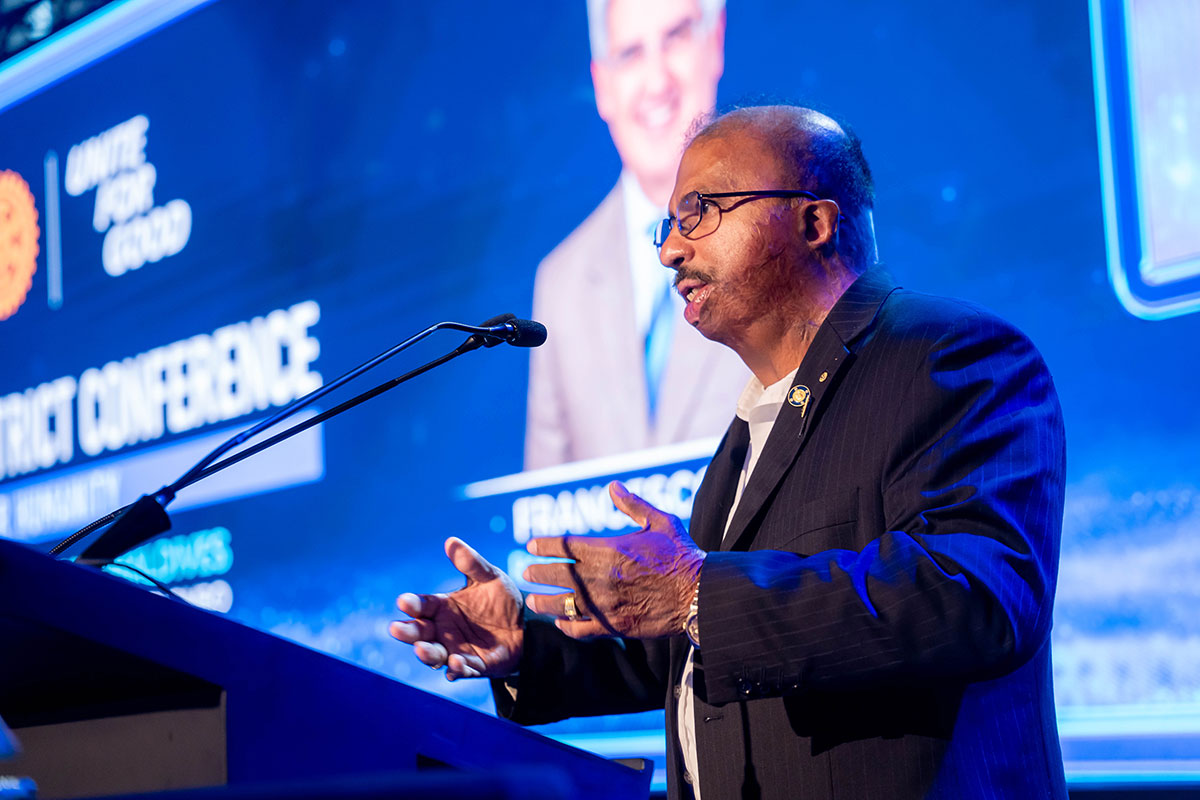
Reflections from the Rotary District 3220 Conference in Sri Lanka on what clubs can contribute once the emergency response is over — three lessons from disaster recovery work in Sri Lanka and Australia: Listen, Partner, Stay.
What can Rotary clubs contribute when the emergency response is over? That question has stayed with me through disaster recovery work in Sri Lanka and Australia, and it was central to my presentation, "Beyond First Response — Rotary's Role in Disaster Recovery," at the Rotary District 3220 Conference in Sri Lanka in May 2026.
The circumstances were very different — a cyclone affecting communities across Sri Lanka and bushfire recovery in Australia — but the lessons were remarkably similar. Three words capture them: Listen. Partner. Stay.
Listen: communities understand their recovery
Community-led recovery begins by changing the question. Instead of asking "What project can Rotary do?", ask "What does this community need to recover?"
Following Cyclone Ditwah in Sri Lanka, local Rotarians were already embedded in affected communities. They knew the schools, hospitals, farmers and families. A working group with Rotary District 3220 and rapid communication through WhatsApp helped local priorities emerge quickly — including well restoration, which from outside might look like a simple water intervention, but for a smallholder farmer means drinking water for the family, water for livestock and the ability to restart farming.
The people closest to a disaster often understand best what their community needs.
Partner: collaboration multiplies local capacity
Listening identifies what matters. Partnership creates the capacity to respond. A local Rotary club brings relationships, trust and community knowledge; Rotary's wider network can connect that local leadership with other clubs and districts, RAWCS, The Rotary Foundation, government agencies, technical expertise and international partners — with the community remaining at the centre.
The same principle was evident in Australian bushfire recovery, where the community developed the vision for a resilience centre, and Rotary and The Rotary Foundation helped connect that vision with resources and partnerships.
Local knowledge tells us what matters. Collaboration gives us the capacity to act.
Stay: recovery continues after the headlines
Rotary is not an emergency service, and it should not try to become one — emergency agencies lead the immediate life-saving response. Rotary's particular strength is the journey that follows: relief may involve food, drinking water and immediate assistance; recovery means restoring schools, wells, hospitals and livelihoods; resilience asks whether the community will be stronger and better prepared when the next emergency arrives.
In Sri Lanka, longer-term work has included strengthening access to safe water, WASH, sanitation and digital learning. In Australia, the resilience centre provides practical capability for future emergencies.
Relief is measured in days. Recovery in months. Resilience in generations.
Preparedness begins before the emergency
The best time to build disaster-recovery relationships is before disaster strikes. Rotary clubs already have relationships with schools, councils, hospitals, businesses, community organisations and volunteers, plus access to district, national and international Rotary networks. Community resilience means understanding those relationships in advance, building trust, and knowing how organisations can work together before they are urgently needed.
What can a Rotary club do?
Start locally — understand the risks facing your own community and listen to the organisations already working there. Build partnerships before they are needed. And think beyond immediate relief: ask whether the work being considered will leave the community stronger, more connected and better prepared.
Rotary's unique strength isn't that we are first on the scene. It is that we are already in the community and we are still there when the headlines have gone. Disasters do not build resilient communities. People do.
Project Gallery